

Maximizing daylight while ensuring privacy is a common challenge in high-end residential and commercial projects. In this case study, we explore real-world examples showing how New Way’s window treatments help designers strike the perfect balance.
1. Understanding the Project Context
1.1 Key Dimensions
Projects often begin by analyzing the orientation and purpose of the space. Understanding the path of the sun and the specific needs of the users is critical for success. For example, east-facing windows may require morning glare control, whereas south-facing windows need management for heat gain throughout the day.
Before specifying window treatments, it’s crucial to analyze the environment:
- Sunlight Exposure: Which areas receive direct sunlight versus diffused light?
- Privacy Levels: Are the windows overlooking public spaces or private areas?
- Usage Patterns: How often will the shades be adjusted?
- Integration: Compatibility with smart lighting and automation systems.
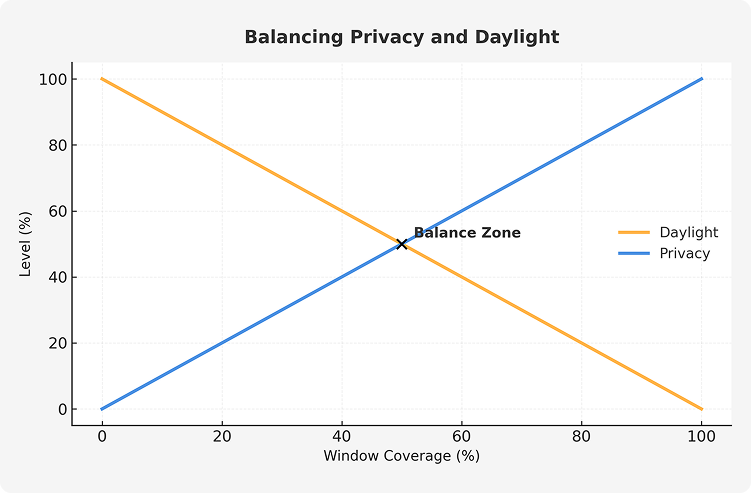
Daylight and privacy are not opposing forces, they are design tools. With the right materials and systems, spaces feel inviting and open.
1.2 Solving practice
Consideration of room orientation, window size and shape, client activity patterns, and interior design style is essential. These factors guide the selection of fabrics, colors, and control systems, ensuring that each window treatment complements both the architecture and the lifestyle of the occupants.
2. Selecting the Right Window Treatments
Choosing the appropriate type of blind or shade directly impacts both light control and privacy. Roman Blinds, with their soft folds, enhance interior décor while blocking unwanted light. Roller Shades offer a minimalist design and are ideal for large windows, providing ease of operation. Zebra Blinds, with their layered fabric, allow precise adjustment of daylight, creating a balance between light and opacity.
For convenience and modern functionality, motorized options enable automated control of all window treatments, integrating seamlessly with smart home or commercial systems. Designers should confirm light control requirements, select the right privacy level, match fabric colors and textures to the overall design concept, and review compatibility with automation features.
The fabric determines how much light enters a room and how it interacts with the space:
- Sheer fabrics: soften daylight, ideal for living areas and open-plan offices.
- Translucent fabrics: balance light diffusion with moderate privacy, perfect for bedrooms or hospitality spaces.
- Blackout fabrics: ensure complete darkness, often required in hotels, theaters, or conference rooms.
By combining fabric types within a project, designers can create dynamic lighting solutions tailored to each environment.
3. Technical Considerations & Installation
Proper installation is essential to ensure both functionality and longevity. Choosing the correct mounting method—whether a ceiling recess, wall, or frame mount—affects the overall aesthetic and performance. Designers must account for weight and size limitations of selected fabrics and coordinate lead times for bulk orders to meet project schedules. Compliance with fire safety and acoustic ratings is critical, particularly in commercial and hospitality projects. Correct specification of technical details helps prevent installation issues and ensures that the window treatments perform optimally over time.
4. Featured Case Studies
4.1 Blinds for private solutions
Zebra Blinds
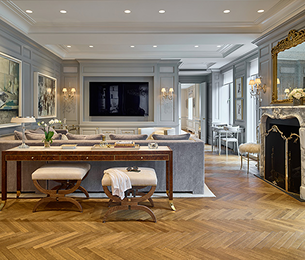
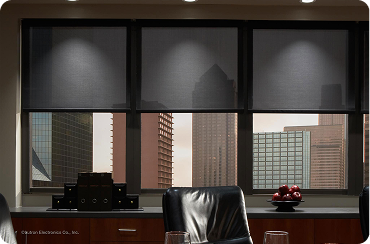
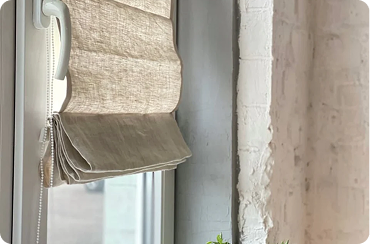
In a luxury residential apartment in Kuala Lumpur, Roman Blinds made from linen blend fabrics were used to diffuse soft daylight while maintaining privacy in open-plan living areas. In the Petronas Towers corporate office, motorized roller shades controlled glare on computer screens, while Zebra blinds allowed precise adjustment of natural light during meetings.
Products used:
Zebra blinds (Solar & Blackout Options)
Motorized Curtain Tracks
Roman Blinds
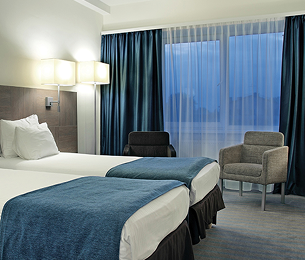
A boutique hotel suite in Penang combined blackout Roman Blinds with sheer shades, giving guests flexible control over both light and privacy. These installations demonstrate how careful selection and layering of window treatments can enhance the aesthetic and functional quality of a space.
Products used
4.2 Common commerce practice
Assessing natural light, privacy, and client requirements is critical before specifying fabrics. Combining functional layers—such as sheers, blackout options, and Roman folds—provides optimal daylight control and privacy. Motorized and smart features enhance convenience and usability. Accurate technical specifications ensure installations are smooth, durable, and compliant with performance standards.
Assessing natural light, privacy, and client requirements is critical before specifying fabrics. Combining functional layers—such as sheers, blackout options, and Roman folds—provides optimal daylight control and privacy. Motorized and smart features enhance convenience and usability. Accurate technical specifications ensure installations are smooth, durable, and compliant with performance standards.
5. Cost Factors & Resources
To help designers and trade professionals explore these solutions further, New Way provides an option to order a sample kit or download the full project guide. The resources include fabric swatches for all window treatments used, CAD/BIM files for precise installation planning, and technical datasheets covering care instructions and certifications.
Designers are increasingly asked to prioritize wellness in projects. By considering circadian rhythms and daylight access, window treatments become not just a functional feature, but an active contributor to mental and physical health.
“Incorporating natural light while maintaining privacy is essential for both residential and commercial spaces. Strategic use of blinds and shades can transform a room’s ambiance and functionality.”
— Maria Chen, Interior Designer, Chen & Partners
Pro Tip
When specifying fabrics, always consider the orientation and purpose of the space.
- South-facing rooms: prone to glare and heat gain—choose high-performance fabrics with UV protection or integrate smart controls.
- North-facing rooms: benefit from maximum daylight—opt for sheers or translucent fabrics that amplify softness without blocking light.
- Multi-use spaces: like offices or guest rooms—layer fabrics (e.g., sheer + blackout) for flexibility.
Another overlooked factor: fabric testing on-site. A swatch in a showroom can look very different when applied to a 3-meter window under natural light. Whenever possible, request large-scale samples and test them at different times of the day to ensure the final result meets both functional and aesthetic goals.
Key Takeaway
Balancing privacy and daylight is both an art and a science. By selecting the right fabrics, leveraging smart shading systems, and considering the unique needs of each space, designers can create interiors that are both functional and inspiring.
Ultimately, fabrics are not just decorative—they are functional design tools that impact energy efficiency, occupant well-being, and the overall mood of a room. Approach window treatments as part of the architecture, not just the décor.